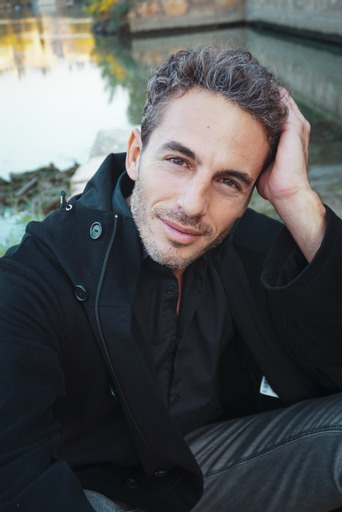
-2-nb.jpg)
the Voice That Turns Roots into Poetry
by Tommaso Agnese
Every great discovery doesn't always come from a press release — sometimes it happens at 1 a.m., scrolling through Instagram. That's how we found Keren Ilan, musician and performer, and how we're bringing back Hidden Artists, a column we opened years ago to hunt down talent hiding in plain sight on social media. This time, the trail led to an alternative-folk voice caught between continents, memory, and longing.
You were adopted from Southeast Asia and raised in the Middle East — how has that shaped your music? "I'm very Middle Eastern, even though my roots are in Southeast Asia — I never felt fully at home there, not even visiting Vietnam. Growing up in that duality raised questions I'm finally ready to share. My lyrics live in that contemplation, that pull toward what if — how separation from your roots can become a kind of grief that stays with you as pain."
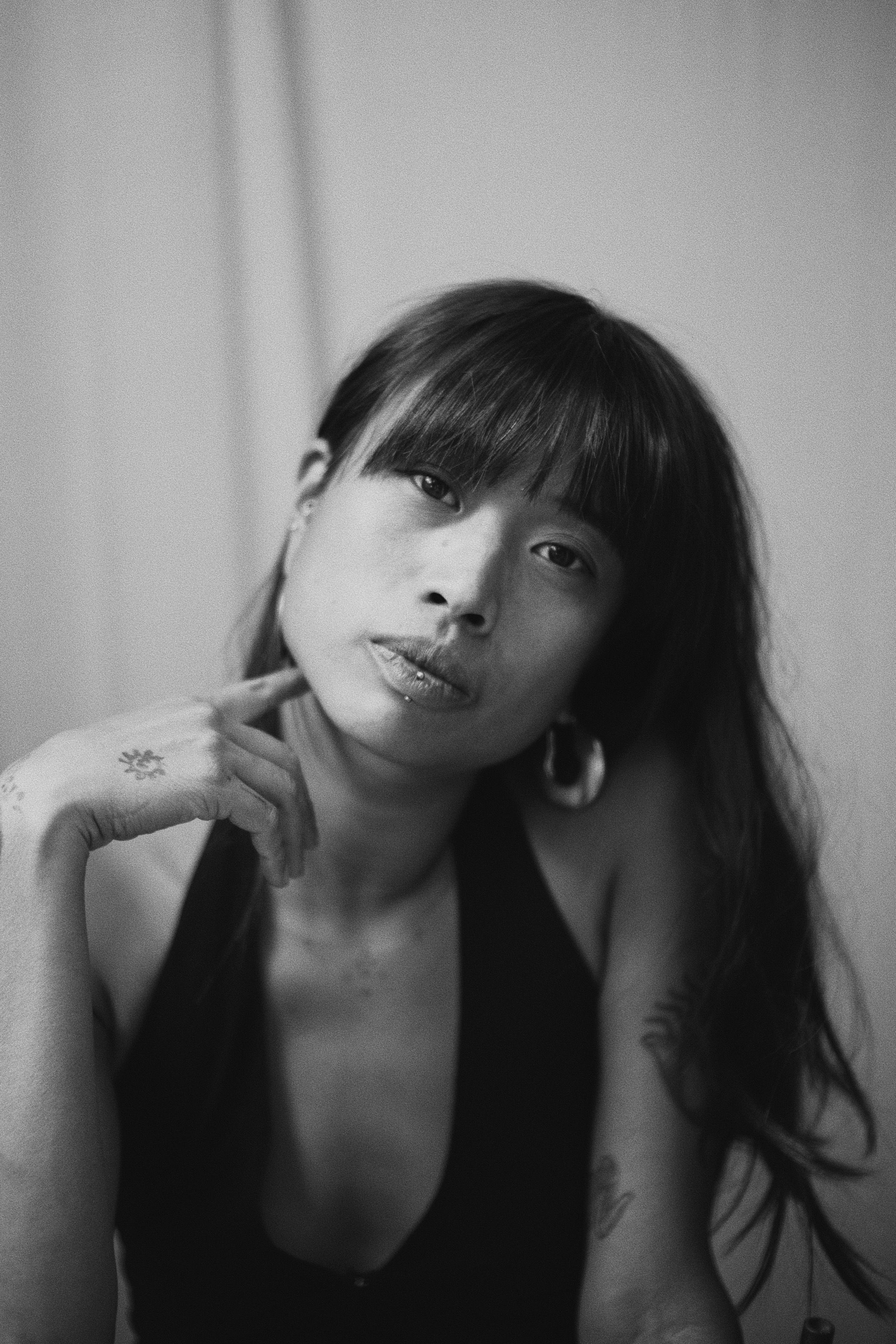
How would you describe your sound to someone hearing you for the first time? "Alternative-folkish."
You have a bittersweet relationship with social media — how does it shape how you connect with listeners? "We have to put ourselves out there to reach people, but I'm actually quite introverted online. It's not perfect — you just have to find your own way of playing the game without losing yourself in it."
Do you start songs with words or melody? "I'm always writing — notebooks full of fragments and half-finished poems. If a riff comes along, I improvise melody over words I've already written, then reshape everything as the song unfolds."
A moment that made you feel "this is exactly why I do this"? "Recording the vocals for Heavy Hearts in Israel in 2024, I burst into tears — it was one of the first times I let myself expose my longing for my biological roots. It didn't matter what the album would become. I just needed to give that feeling a voice."
What's next for you? "A new song in Hebrew, written four years ago, comes out July 12. I'm also finishing my MA in Creative Practice at Goldsmiths, University of London, and experimenting with new instruments for what's next."
Fabrique du Cinema is a film magazine — have you ever thought about scoring films? "I love visual art, sometimes more than writing a song itself. Magnolia comes to mind — Paul Thomas Anderson built the film around Aimee Mann's music instead of asking music to serve the film. That's such an original way to bring cinema and songwriting together."